Before Mobile Legends, CODM, or cozy games on the Switch, there was a different kind of grind: Game Boy pixels under fluorescent classroom lights, Ragnarok in noisy computer shops, and RAN Online campus wars that felt more serious than real exams.
This is the story of a Filipina gamer who grew up in that era—starting with a Game Boy Color on the bus, graduating to Ragnarok and RAN Online in internet cafés, and eventually stepping into today’s world of mobile games, consoles, and streaming.
It’s a personal timeline, but it’s also the story of how Filipino gaming itself evolved from prepaid cards and café timers to always‑online mobile and creator culture.
Game Boy Color Days: Leveling Pokémon on the Bus
-
- Long before MMORPGs, console ports, or cross‑play, handhelds were the first taste of real “grind.”
- A Game Boy Color in a schoolbag meant every recess, lunch break, and bus ride could become a leveling session.
Pokémon and other cartridge games turned idle time into tiny progress bars—EXP gained between subjects, gym badges earned before dinner.
For many Filipino kids and teens, handhelds were the first sign that you didn’t need a full PC to feel like a “real gamer.” They were portable, semi‑secret, and completely personal.
This mindset—use whatever hardware is available, play whenever and wherever possible—would later carry straight into mobile gaming.

Internet Café Era: Ragnarok Online and the Birth of PH MMORPG Culture
Then came the internet cafés.
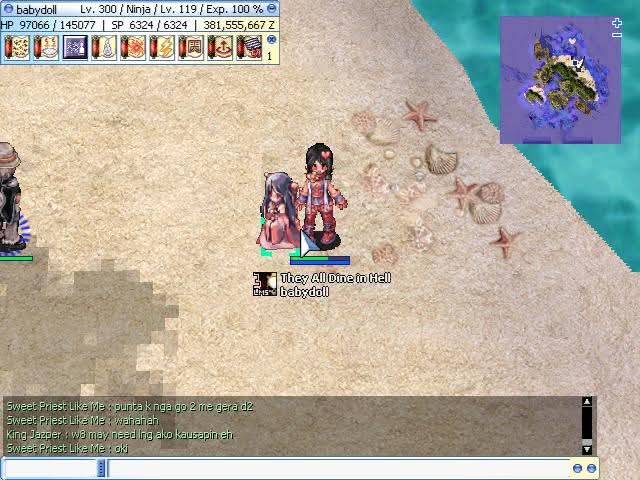
In the early 2000s, Ragnarok Online exploded in the Philippines. Published locally by Level Up! Games, Ragnarok quickly dominated the country’s online gaming scene, reaching around 57,000 concurrent users and nearly 10 million accumulated users during its early years. It became the first truly massive MMORPG for Filipinos, a place where players formed guilds, friendships, and even real‑life relationships.
For a Filipina gamer walking into a café back then, the sights and sounds were unforgettable:
-
- Rows of CRT monitors glowing with Prontera crowds.
- The sound of mouse clicks and skill spam.
- Prepaid time cards dictating how long grinding could last.
Ragnarok wasn’t just a game; it was a second home, especially in a culture where community and barkada bonding are central. MMO executives have specifically pointed out how Ragnarok’s cooperative nature resonated so deeply in the Philippines because it allowed players to “come together and bond,” mirroring Filipino community values.
For this Filipina gamer, Ragnarok meant:
-
- Learning party roles, coordination, and basic game economics.
- Feeling that first rush of joining a guild and defending a castle.
- Understanding that online worlds could carry real emotions and long‑term friendships.
RAN Online: Campus Wars, Free‑to‑Play, and the Next Chapter
After Ragnarok, the next big chapter came in the form of RAN Online—a school‑themed MMORPG where players picked campuses instead of medieval kingdoms.
Launched in the Philippines around 2006, RAN Online became one of the country’s most popular MMOs, known for its low system requirements and free‑to‑play model. At a time when Ragnarok still used time‑based prepaid credits, RAN’s item‑shop system and minimal PC specs made it much more accessible to café regulars and budget‑conscious players.
For Filipino gamers, RAN Online offered:
-
- Campus identity: Sacred Gate, Mystic Peak, and Phoenix weren’t just in‑game schools; they felt like rival universities, complete with school wars and guild rivalries.
- Accessible hardware requirements: With only around a 1 GHz processor, 256 MB RAM, and a modest GPU needed, even older café PCs could run RAN smoothly.
- A deeper PvP focus: School wars, duels, and open‑world fights gave competitive players a new kind of adrenaline.
For a Filipina player, this era meant:
-
- Logging in not just as an adventurer, but as part of a campus faction.
- Experiencing structured PvP and organized events before “esports” became a buzzword.
- Realizing that identity and community could be tied to a server, a guild, and even a virtual school.
The 2000s: Golden Age of PH Internet Café Gaming
Looking back, Ragnarok and RAN Online were part of a broader golden age of internet café gaming in the Philippines.
-
- Research on PH gaming history notes how early 2000s titles like Ragnarok, DotA, and Counter‑Strike, powered by Korean and global esports culture, created the foundation for local competitive scenes and companies like Mineski and TNC.
- Dial‑up limitations, prepaid internet cards, and shared household PCs pushed gamers out of homes and into computer shops, where community and competition thrived side by side.
For this Filipina gamer’s evolution, that era delivered core lessons:
-
- Resourcefulness: Making limited café time count, grinding smart, and squeezing in quests before the timer beeped.
- Community awareness: Learning to navigate guild politics, alliances, and the etiquette of shared digital spaces.
- Competitive fire: Feeling the rush of PvP, castle sieges, school wars, and local tournaments.
Those experiences now feed directly into how today’s games—and today’s streaming and content culture—are approached.
Consoles, Handhelds, and Collecting: DS, Wii, and Beyond
Parallel to the café era, consoles and handhelds never left the picture.
Pre-owned Game Boy Color, Nintendo DS, and Wii units gave access to classic titles and couch co‑op experiences that felt completely different from café grinds. While PC MMOs were about shared public spaces, consoles and handhelds were about:
-
- Personal nostalgia—revisiting older Pokémon generations or classic JRPGs.
- Local co‑op—Mario Kart, Smash, rhythm games, and party titles with friends and family.
- Collecting and preservation—holding onto cartridges and discs as physical memories.
This collection habit—the desire to own a library of worlds—translates perfectly into the modern “variety” gamer identity. It’s why, in 2025, it feels natural for the same Filipina gamer to rotate between MLBB, CODM, cozy Switch titles, and PC indies.

From Cafés to Mobile: How the Ground Shifted Under Filipino Gamers
As the 2010s and 2020s rolled in, the ground quietly shifted:
-
- Broadband and mobile internet improved.
- Smartphones became far more powerful and affordable.
- Titles like MLBB, CODM, and other mobile hits started to dominate daily playtime.
Analysts note that mobile games now sit at the center of the Philippine gaming ecosystem, driven by low barriers to entry and a young, always‑online population. This doesn’t erase the café era; it builds on it:
-
- Instead of walking to a computer shop, Filipino gamers now carry the café in their pocket.
- Instead of time cards, they manage data promos and Wi‑Fi spots.
- Instead of guilds bound to PCs, they join clans and squads from their phones.
For a gamer who lived through both eras, this shift feels less like a replacement and more like an evolution: same mentality, new hardware.
2025: Mobile, Variety, and the Creator Era
By 2025, the evolution of this Filipina gamer isn’t just about playing anymore—it’s about creating.
Industry reports show that:
-
- Mobile gaming continues to grow rapidly in the Philippines, with titles like MLBB, CODM, PUBG Mobile, and others leading engagement.
- The broader PH gaming market is expected to expand significantly through the late 2020s, with cloud gaming and mobile esports contributing to that growth.
For someone whose journey started with Game Boy Color and Ragnarok, the 2025 reality looks like this:
-
- Games like Mobile Legends and CODM scratch that competitive itch previously satisfied by RAN school wars and Ragnarok WoE.
- Cozy titles on Switch or PC—like Animal Crossing or farming sims—serve as the modern tilt detox, echoing the café days when players hopped from sweaty PvP to more chill sessions.
- Streaming and content creation become a natural extension of decades of gaming: instead of just grinding silently, that grind gets shared with a community.
This is where the “Guildmaster” identity emerges:
Someone who has lived through multiple generations of games and platforms and now guides other Filipino gamers through their own journeys—whether they’re starting from cafés, cheap phones, or borrowed consoles.
Lessons for Today’s Aspiring Filipina Gamer or Streamer
This evolution—from Game Boy Color, to Ragnarok, to RAN Online, to 2025 mobile and streaming—carries a few clear messages for anyone just starting now:
-
- You don’t have to start with perfect gear.
The earliest chapters were written on café PCs, prepaid cards, and secondhand handhelds; today’s chapter can absolutely start with a phone or shared console. - Community has always been the core meta.
From Ragnarok guilds and RAN campuses to MLBB squads and Discord servers, the real “endgame” has always been friendships, shared memories, and support systems. - History is your advantage, not a burden.
Growing up during the café era means having a deep, lived understanding of teamwork, grind, and adaptation. That experience translates directly into being a better shot‑caller, content creator, and mentor today. - The Filipino gaming scene will keep evolving—and you can evolve with it.
Esports research shows that PH gaming has gone from unstructured pustahan tournaments to organized leagues, teams, and full‑time careers in just a couple of decades. The next evolution might be cloud gaming, AR, or something else entirely.
- You don’t have to start with perfect gear.
The point isn’t to cling to one era. It’s to carry each era’s lessons forward.
From Ragnarok and RAN Online to 2025, this Filipina gamer’s evolution proves one thing:
It’s not the hardware or the hype cycle that makes someone a “real gamer.”
It’s the years spent showing up—leveling, learning, losing, winning, and then using all of that to help the next generation log in with a little more courage.
Leave a Reply